Applying Economic Thinking to Real-World Systems
Beyond theory and research, I apply economic thinking to real-world markets, institutions, and social challenges. Through consulting, platform design, education initiatives, and public dialogue, I explore how economic principles operate in practice—shaping small businesses, labor markets, financial literacy, and resource allocation. These experiences allow me to test economic ideas against real constraints, balancing efficiency, equity, and sustainability while engaging directly with stakeholders across different sectors.

Online Platforms & Small Businesses – Yiwu Field Research
02.
I authored a 16-page research paper examining whether online platforms still support small businesses as originally envisioned by Alibaba’s founder. Through interviews with restaurant owners in Yiwu’s Shine Hills area, I found that while platforms increase visibility, rising commission fees and algorithmic bias increasingly favor large brands. The study concluded that platform fairness has declined as China’s market matures, raising questions about competition, market power, and long-term sustainability in digital economies.


Online Platforms &Small Business

Bridging Skilled Talent &
Small Businesses
03.
To address skilled unemployment and small business constraints, I designed a platform that connects unemployed professionals with small firms in need of affordable services. The model allows skilled workers to monetize expertise while helping small businesses reduce operating costs. Revenue is shared through negotiated, transparent terms to ensure fairness and sustainability. This project applied economic principles such as labor matching, incentive alignment, and mutual value creation, while highlighting the limitations of existing labor markets and the potential of platform-based solutions.
Platform Creator – CoValence, Bridging Skilled Talent & Small Businesses


Founder & Financial Literacy Educator – Young Visionaries
04.
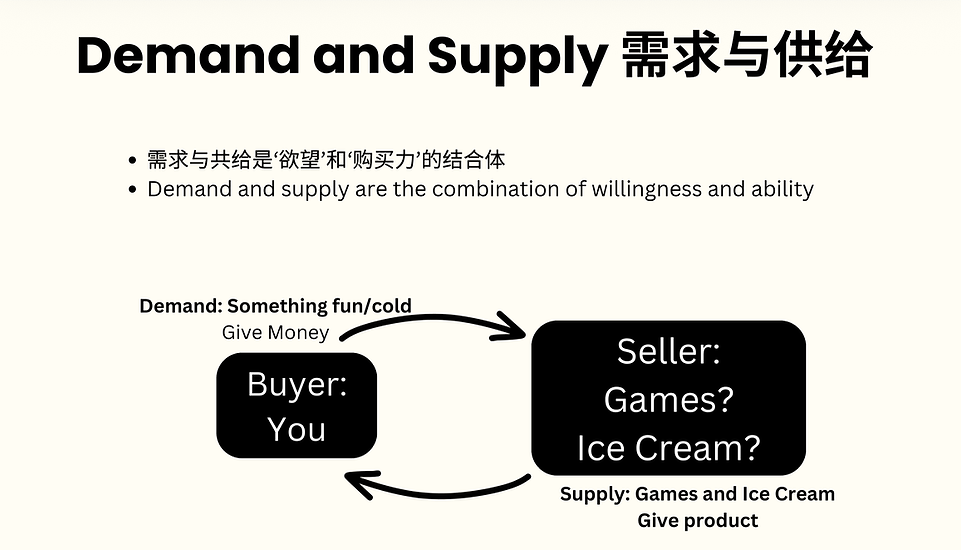
I founded Young Visionaries to make economics accessible and relevant to younger students. Through the KAP Project, I taught economics to 48 students in grades 4, 5, 7, and 8, designing 36 interactive lessons on market power, economic growth, unemployment, inflation, and public policy. Rather than abstract theory, lessons focused on real-world trade-offs—such as growth versus inequality and inflation versus employment—to demonstrate how economics explains everyday challenges. This experience strengthened my ability to translate complex economic concepts into clear, engaging learning frameworks.




Financial Literacy Course
Theater of Economic Allegories
05.
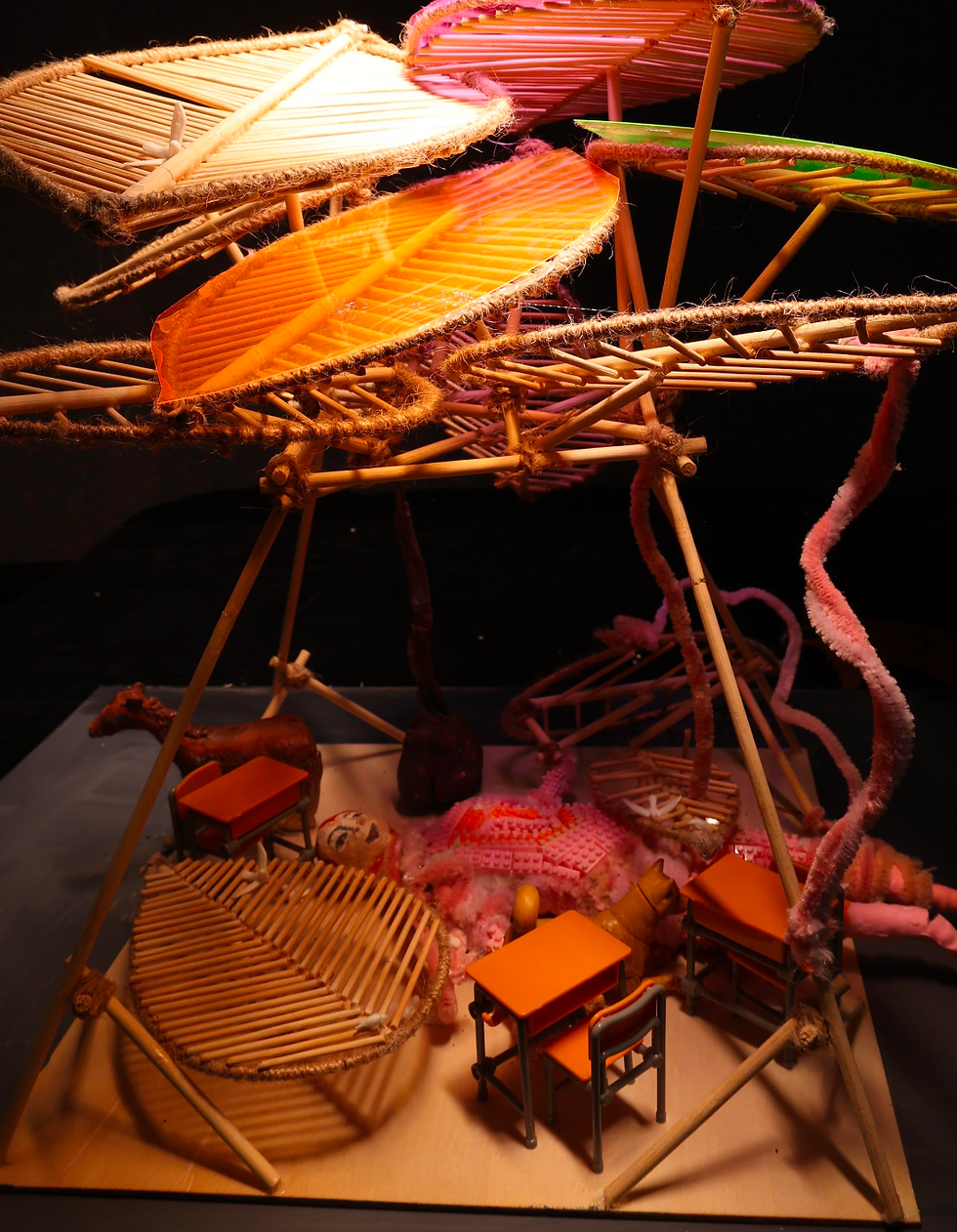
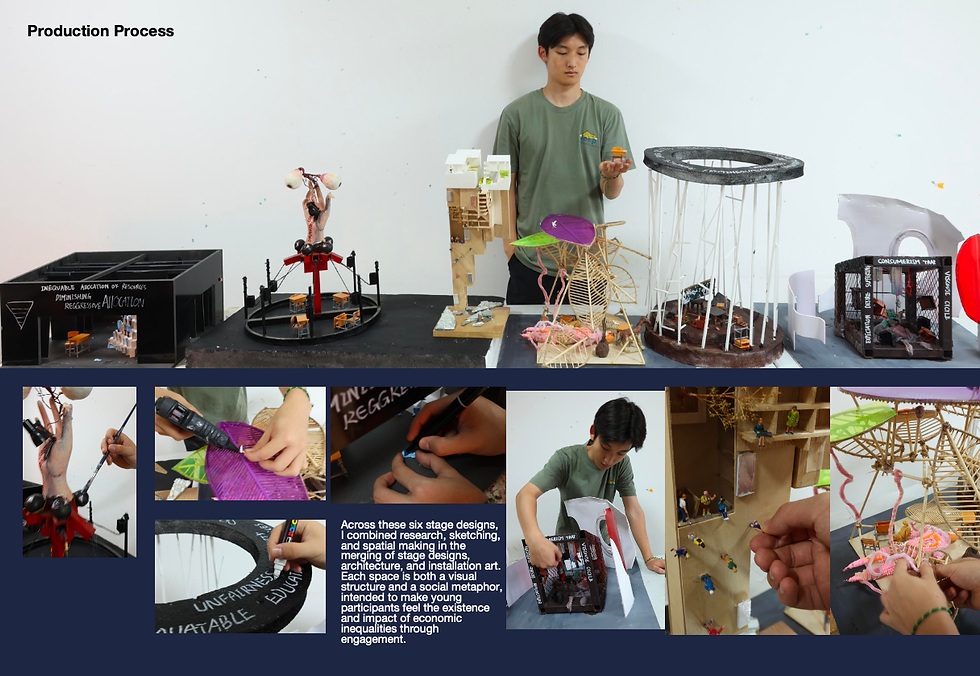
I created an installation theater titled Economic Education for Children to explore structural issues such as poverty, inequality, sustainability, and youth debt through spatial storytelling. Using staged scenarios and immersive design, the project visualizes resource allocation, unequal access to education, and contradictions within modern economic development. Rather than offering simple solutions, the theater invites audiences to confront economic realities and reflect on the structural challenges embedded in contemporary systems, merging economic analysis with public engagement and critical reflection.

Theater of Economic Allegories


Chairman & Invited Speaker – China 18 Under 18 STS Forum
06.
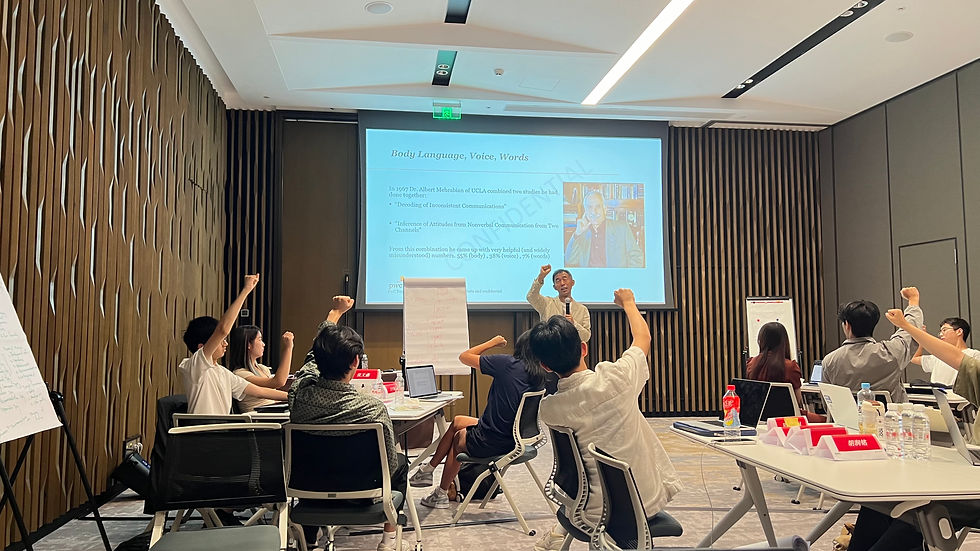
Selected as one of 18 global student representatives, I served as chairman and invited speaker at the China 18 Under 18 STS Forum. I organized and moderated panels on emerging technologies, digital retail, and platform economies, facilitating dialogue among students, scientists, and entrepreneurs. By chairing discussions and Q&A sessions, I explored how technological innovation reshapes markets, labor structures, and small business ecosystems, strengthening my interest in the intersection of economics, technology, and public policy.
01.
PwC – Audit, Consulting & Tax Services
At PwC, one of the world’s leading professional services firms, I engaged in consulting-oriented work that exposed me to how economic reasoning informs real business decisions. I consulted for the charity store ShanTao Buy42, conducting a 35-page market analysis of China’s second-hand economy. My research evaluated industry structure, consumer segmentation, and sustainability trends, and proposed strategies for brand positioning, online sales growth through corporate partnerships, and volunteer engagement. The project emphasized affordability, quality, and targeted outreach to elderly consumers, illustrating how market analysis can support social impact and sustainable business models.